The American Zion Commonwealth: How American Jews Bought Land
The American Zion Commonwealth sold plots in Herzliya, Afula and Balfouria to Jews in America and Poland in the 1920s. What it was and what records exist.
Key points
- The American Zion Commonwealth was a land-purchasing company incorporated in New York that bought land in Mandate Palestine and sold plots to Jewish buyers abroad.
- Its best-known purchases became Herzliya, Afula and the moshav Balfouria.
- Many buyers lived in the United States and Poland, and many never settled on their plots.
- After the 1926 land-boom collapse the company fell into debt, and the Zionist Organization of America stepped in to secure deeds for purchasers.
- Traces of these purchases can survive in Zionist archives, Mandate-era land registers and family papers.
The American Zion Commonwealth was a land-purchasing company incorporated in New York. In the 1920s it bought land in Mandate Palestine and sold plots to Jewish buyers abroad, most of them in the United States and some in Poland. Herzliya, Afula and the moshav Balfouria grew on land it bought. Many buyers never settled on their plots, and this is one common source of family stories about "land in Israel".
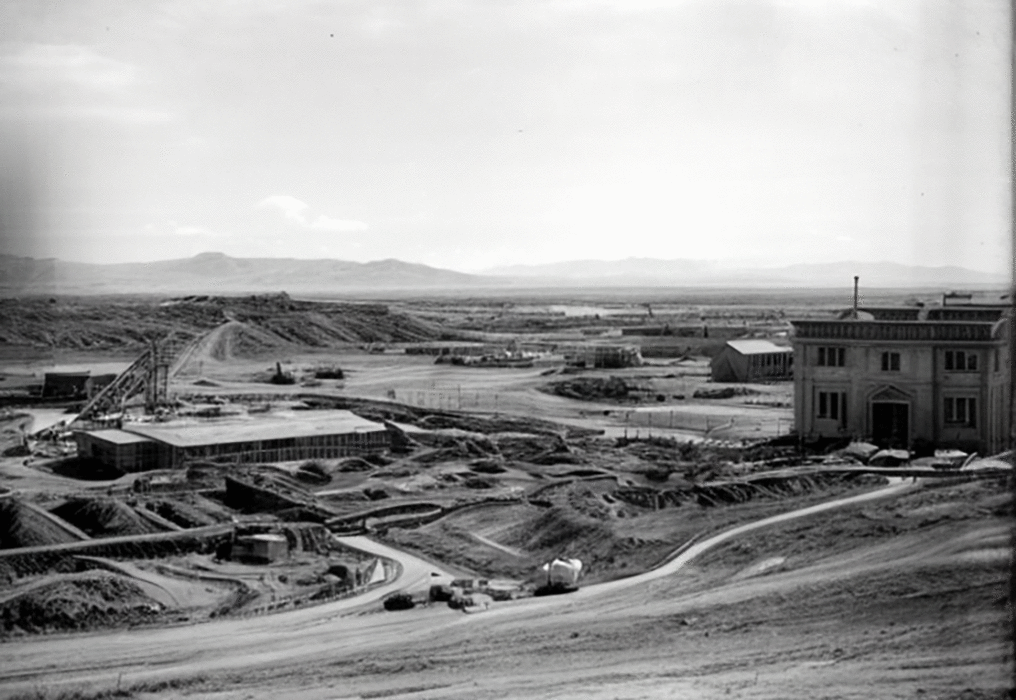
This guide explains what the company was, how people bought from it, which lands it held, what happened to it, and which records may still exist.
What was the American Zion Commonwealth?
The company's Hebrew name was Kehilat Zion Amerikait. It was a business corporation, not a charity. A 1929 report by the Jewish Telegraphic Agency (JTA) describes it as a land-purchasing agency incorporated under New York State law. General reference works give 1914 as the year of incorporation. Encyclopaedia Judaica describes it as a land-purchasing agency set up by the Zionist Organization of America (ZOA).
The company worked alongside the Jewish National Fund (JNF), but on a different model. The JNF bought land with donations and held it for the Jewish people as a whole. The Commonwealth sold land to private buyers, who could use the plot or hold it as an investment.
How did American Jews buy land through it?
Buyers signed purchase contracts and usually paid in instalments. A Canadian Jewish News column on surviving documents says that in the 1920s the company sold real estate interests to investors in the United States and Poland, and that each investor received a land ownership certificate.
The Afula municipality's history page also says the company sold parcels to buyers from two places, the United States and Poland. Contemporary JTA reports show how much of the business depended on American buyers:
- In August 1927, American land purchasers owed the company $682,288.58 in outstanding payments.
- In June 1929, the company's representative said that "the majority of purchasers are in the United States."
- In 1935, the company's president, David Freiberger, said that many American Zionists had bought land in Palestine in good faith and largely for sentimental reasons, but could not live there.
For a family today, this matters. A certificate or contract in a drawer shows that a purchase was agreed. It does not by itself show that the plot was paid off or that a deed was registered in the buyer's name. Each kind of paper has to be checked against archive records.
Which lands did the American Zion Commonwealth buy?
A JTA report from 15 August 1927 states that the company "has established the colonies of Balfouria, Herzlia and Afule." The same report says it took part in acquiring the Haifa Bay lands, about 60,000 dunams. (A dunam is about 1,000 square metres, roughly a quarter of an acre.)
| Place | What the sources say |
|---|---|
| Herzliya | Founded as a moshava in 1924 on land acquired by the American Zion Commonwealth (Encyclopaedia Judaica). In 1928 the ZOA reported that title to 5,000 dunams at Herzliya was secured. |
| Afula (Jezreel Valley) | Founded in 1925 by the company, which bought the land as one unit from Aias Sursock of Beirut (Afula municipality). |
| Balfouria (Jezreel Valley) | Listed among the company's colonies in 1927 (JTA). |
| Haifa Bay | The company took part in acquiring about 60,000 dunams; its Haifa Bay holdings were sold to Jewish buyers by 1928 (JTA). |
Herzliya
Encyclopaedia Judaica says Herzliya was first founded as a moshava (a private farming village) in 1924. It was built on land bought by the American Zion Commonwealth, and its first settlers were second-generation farmers and members of the Benei Binyamin association. It was named after Theodor Herzl.
Afula and the Jezreel Valley
According to the Afula municipality, the company bought the lands of Afula as one unit from a Beirut landowner, Aias Sursock, and founded the Hebrew town there in 1925. Encyclopaedia Judaica adds that the company meant Afula to be the urban centre for the Jewish villages of the Jezreel Valley (in Hebrew, the Emek).
The same entry notes that speculative sales of building plots, mostly to absentee owners overseas, slowed the town's growth. The municipality says that the Polish Jews who bought land in Afula did come to settle and became its first residents. It adds that many Polish buyers later perished in the Holocaust. For that background, see our guide to Polish Jews and land purchase in the Fourth Aliyah.
What happened to the American Zion Commonwealth?
The company grew quickly in the mid-1920s and then ran into serious debt. JTA reports trace the crisis step by step:
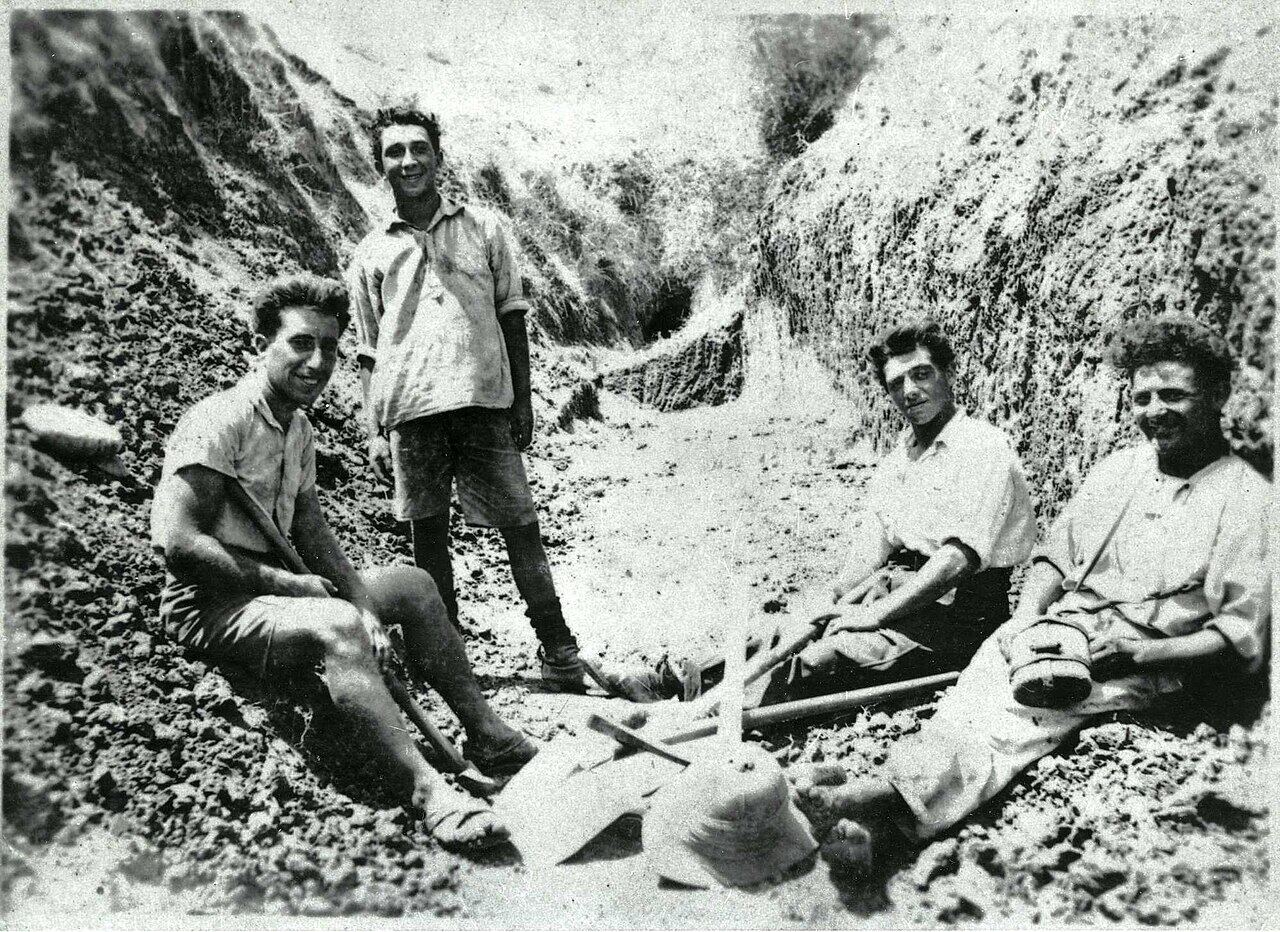
- 1926–1927: The land boom in Palestine collapsed in 1926. By February 1927 a special Zionist committee had taken charge of the company. It urged "every American purchaser of land" to keep up their contract payments.
- August 1927: A new administration reported that assets exceeded liabilities by over $600,000. It was trying to collect the sums owed by American purchasers.
- December 1928: ZOA president Louis Lipsky announced that $250,000 had been sent to Palestine to restore the company's credit. He blamed the trouble on "over-expansion in Palestine" and a two-year economic crisis. Lipsky said that only "administrative procedure" now stood in the way of delivering deeds to American purchasers.
- June 1929: A court-confirmed settlement with creditors averted bankruptcy. A group led by the New York attorney David Freiberger had lent $250,000. A committee was dividing the company's lands into plots, and purchasers were told to expect their deeds within twelve months.
By 1935, Freiberger was the company's president. He warned American owners that undeveloped land was at risk under Mandate law. He said, "The only way to protect the land is to build or cultivate it." He pointed to Rassco, a settlement company linked to the Central Bureau for the Settlement of German Jews, as a possible buyer that would pay absentee owners a fair price.
The company's name still appears in recent legal matters. In 2018, the Israeli business daily Calcalist reported a 2010 agreement over land at Balfouria. The parties were the moshav, the Administrator General, the Hashava company (set up to locate and return assets of Holocaust victims) and the American Zion Commonwealth. The article also says that some land around the moshav had been bought by people living abroad who never lived in Israel, and that their heirs often did not know about the purchases.
Were there other land companies that sold to diaspora Jews?
Yes. The American Zion Commonwealth was one of several routes. A study by the historical geographer Yossi Katz, based on files in the Central Zionist Archives, describes these:
- The Palestine Land Development Company. The Zionist Organization founded it in 1908, under Arthur Ruppin, to buy and prepare land. It handled land purchases for buying groups abroad and offered them tracts it already held.
- Geulah. A Zionist land company founded in Russia in 1902. It bought land near Jaffa and resold it to companies and individuals in Palestine and abroad.
- The Achoozo (Ahuza) companies. Between 1908 and 1914, about 70 such buying groups were formed in cities around the world, including 14 in the United States and 3 in Canada. Members paid in instalments while land was bought and planted for them. They are covered in our guide to Ahuza societies, in which diaspora Jews bought land together.
Because the Ahuza groups and the Commonwealth both sold land to American Jews, families sometimes mix up the two names. A surviving receipt or certificate usually shows which body was involved.
What records of these purchases might exist today?
There is no single list of American Zion Commonwealth buyers that families can look up. Several types of record may still hold traces, though:
- The company's own records. The Central Zionist Archives in Jerusalem holds the archives of the American Zion Commonwealth, with separate record groups for its New York office and its Tel Aviv office.
- Land registers. Plots for which deeds were issued were recorded in the Mandate land registry and, after 1948, in the Israeli land registry (the Tabu). Mandate-era entries are the bridge between a 1920s contract and the present-day register.
- Contemporary reports. The JTA archive and the American Jewish press of the 1920s covered the company's affairs, its rescue and its dealings with purchasers.
- Family papers. Contracts, instalment receipts, ownership certificates and letters from the company's New York or Tel Aviv offices are often the starting point. The name of a town (Herzliya, Afula, Balfouria) and a block or plot number, if one appears, are especially useful.
Before contacting anyone, it helps to collect the buyer's full name in English and in Hebrew or Yiddish, the city where they lived, and approximate dates. Our step-by-step guide on how to find out whether a great-grandfather bought land in Israel covers this in more detail.
Finding a purchase in the records does not mean a family still holds rights to the land. Plots may have been sold, transferred, managed by a state body or affected by later legal proceedings. Rules on property and inheritance in Israel are complex and can change, so a family that finds documents should consult a qualified Israeli lawyer.
Where to start
Families who hold a Zion Commonwealth certificate, a contract, or simply a memory of "a lot in Herzliya" or "land near Afula" can send us an inquiry. Jewish Lost Assets is a small Israel-based team that searches records of land bought between the 1920s and the 1950s by Jewish buyers living abroad. The first search is free of charge. If we find relevant documents, the family receives a preliminary summary and a clear quote, and decides from there. If we find nothing, there is no fee.
Not ready to send an inquiry? Start with our free Family Land Research Kit (PDF): what to gather at home, where each kind of record is kept, and the words you will meet in old deeds.
Questions families ask
What was the American Zion Commonwealth?
It was a land-purchasing company incorporated under New York State law that bought land in Palestine in the 1920s and sold plots to Jewish buyers, most of them in the United States, with others in Poland.
Which towns did the American Zion Commonwealth found?
Contemporary reports credit it with establishing Balfouria, Herzliya and Afula. Encyclopaedia Judaica states that Afula was founded by the company in 1925 and that Herzliya was built on land it acquired.
My great-grandfather had a certificate from the Zion Commonwealth. Does that mean the family owns land?
Not necessarily. A certificate or contract shows that a purchase was made, but whether a deed was registered, and what happened to the plot later, can only be established from the records.
Where are the American Zion Commonwealth's records kept?
The Central Zionist Archives in Jerusalem holds the company's records. Plots that were registered also appear in the Mandate and Israeli land registers.
Is the American Zion Commonwealth the same as the Ahuza societies?
No. The Ahuza companies were separate buying groups formed in individual cities from 1908 onwards. The Commonwealth was a single, larger company that sold plots to individual buyers.
Sources
- Afula: History — Afula Municipality — Afula founded 1925 by the company; land bought as one unit from Sursock; parcels sold to buyers in the US and Poland
- Afulah — Encyclopaedia Judaica (Efraim Orni and Shaked Gilboa), via Encyclopedia.com — Founded 1925; planned as urban centre of the valley; plot sales to overseas absentee owners
- Herzliyyah — Encyclopaedia Judaica, via Jewish Virtual Library — Founded 1924 on land acquired by the American Zion Commonwealth
- Personnel Change in Zion Commonwealth Administration in U.S., Palestine — Jewish Telegraphic Agency, 15 August 1927 — Colonies of Balfouria, Herzlia and Afule; Haifa Bay; sums owed by American purchasers
- Special Zionist Committee Takes Charge of American Zion Commonwealth — Jewish Telegraphic Agency, 4 February 1927
- $250,000 Remitted to Palestine Saves Zion Commonwealth, Lipsky Announces — Jewish Telegraphic Agency, 3 December 1928 — Over-expansion; ZOA rescue; Herzlia 5,000 dunams; deeds to American purchasers
- Zion Commonwealth Overcomes Its Financial Difficulties in Palestine — Jewish Telegraphic Agency, 16 June 1929 — Incorporated under New York law; 1926 land-boom collapse; deeds within twelve months
- Cautions Jews on Absentee Land Holding — Jewish Telegraphic Agency, 9 July 1935 — David Freiberger on American absentee owners; Rassco
- Treasure Trove recalls how any investor could buy their own piece of Palestine in the 1920s — The Canadian Jewish News — Land ownership certificates issued to investors
- Land war in the Jezreel Valley: who owns the lands of Balfouria? — Calcalist, 30 May 2018 (Hebrew) — 2010 agreement involving the Administrator General, Hashava and the American Zion Commonwealth
- The Plan and Efforts of the Jews of Winnipeg to Purchase Land in Palestine before World War One — Yossi Katz, Canadian Jewish Historical Society Journal — Palestine Land Development Company (1908), Geulah (1902), Achoozo companies
- American Zion Commonwealth — Wikipedia — Year of incorporation (1914); no better source found
This guide is general historical information, not legal advice. Every family's case depends on the specific records found.