Family Documents That Can Prove a Land Purchase in Eretz Israel
A kushan, registry extract, contract, receipt or letter can each support a family land story. Learn what each shows, what it can't, and how to keep it safe.
Key points
- A kushan, the term used for a land title deed in Ottoman and Mandate Palestine, is strong evidence of a past right, but it does not show who holds the land today.
- Purchase contracts, receipts and instalment books from land companies show that a purchase was made or begun, not that it was completed or registered.
- Letters, envelopes, powers of attorney and photos rarely prove ownership but often supply the names, places and addresses that make a records search possible.
- Only a current extract from the Israeli land registry (Tabu) shows a parcel's present registered owners.
- Store originals cool, dry and flat in acid-free folders, and make good digital copies before anyone handles them further.
The papers that matter most are a kushan (title deed) or registry extract, a purchase contract, and receipts or instalment books from a land company or purchase society. Letters, envelopes, powers of attorney and photographs also matter, because they hold names, places and addresses. Each document proves something different, and none of them on its own shows who holds the land today. Keep every piece, copy it well, and let the records search confirm what the papers suggest.
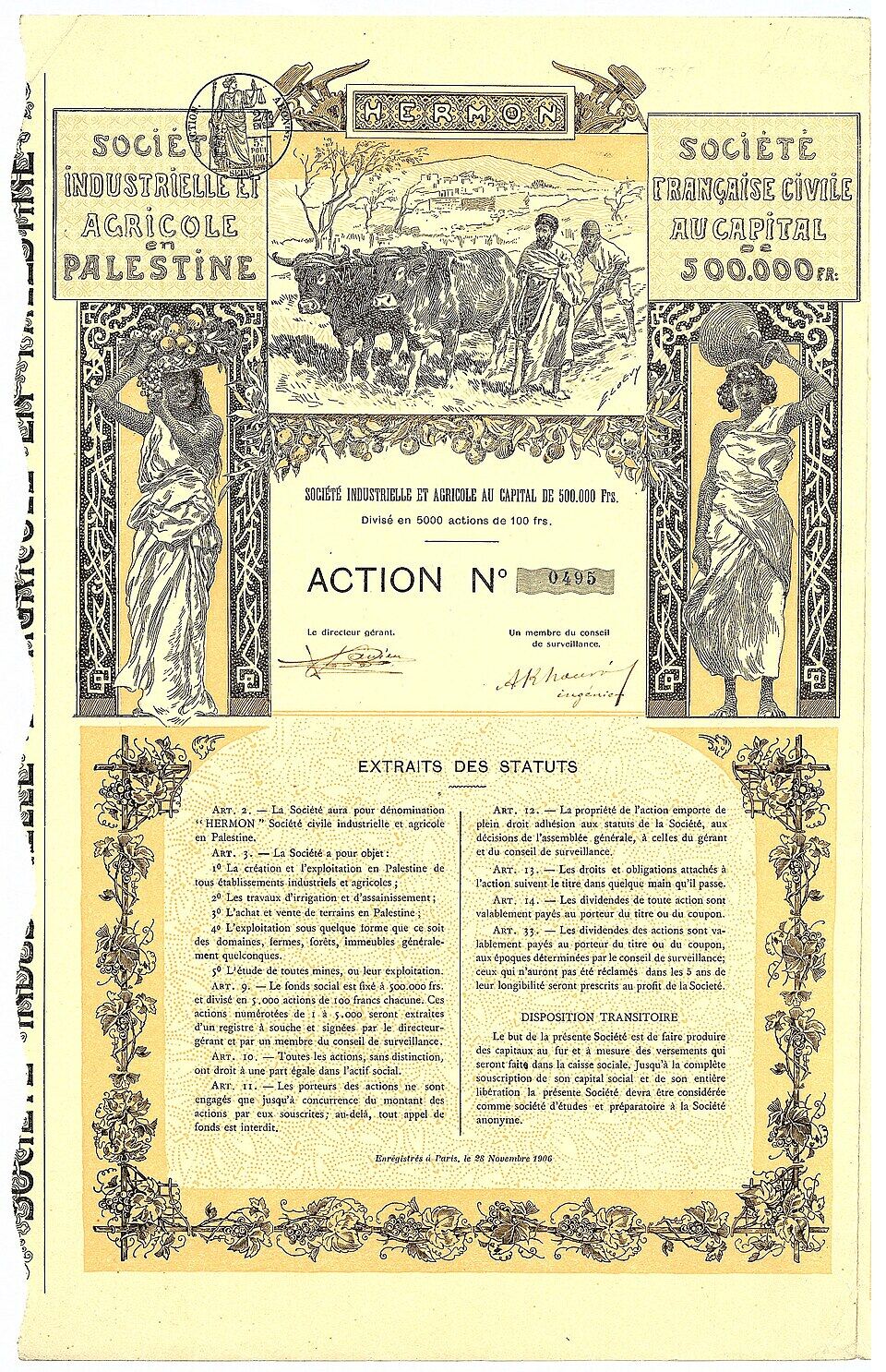
This guide goes through the documents families most often find, explains what each one can and cannot tell you, and ends with practical advice on keeping the originals safe. If you have not yet started, our guide on how to find out if your great-grandfather bought land in Israel sets out the overall order of work.
Why do old papers matter so much?
Israeli land records are organised by location, not by owner. The country is divided into numbered blocks (gush), each split into numbered parcels (helka). The Israeli land registry, known as the Tabu, is an open register, so anyone can check the owner of a registered property. The hard part is knowing which parcel to check.
Names are an unreliable key. In one Petah Tikva case reported by The Times of Israel, a Mandate-era entry in English was copied into Hebrew after 1948 with spelling errors in the owners' names. A single document with a block number, a plot number, a company name or a place name can save months of searching.
Title deeds: what is a kushan?
Kushan is the term families most often use for an old land title deed. It was used in Ottoman Palestine, and it remained in use under the British Mandate. In 1927 the Jewish Telegraphic Agency reported that the Palestine government's Land Office had registered a large number of "kushans" issued to buyers by an American Jewish land company.
Some background helps in reading these papers:
- Ottoman period. Under the Ottoman land code of 1858, government land registries known as Tapu were set up from 1859. Hebrew still calls the land registry "Tabu". According to a historical review by Najeh S. Tamim, Ottoman registration was a registration of deeds, not a guarantee of title, and many transactions took place outside the registry.
- British Mandate period. Registries closed between 1917 and 1920 and reopened in 1920 under the Land Transfer Ordinance. From 1928 a title registration system was introduced in which each parcel had its own folio, and a certificate or extract from the register was issued to the title holder. The older and newer systems ran side by side. Our guide to British Mandate land registration explains this in more detail.
What a deed can tell you: the name of the registered holder, often a description or number for the land, and the date and office of registration. These are the details that lead to the right registry file.
What it cannot tell you: whether the land was later sold, mortgaged, inherited, expropriated or placed under state management. A deed is a snapshot of one moment.
Registration extracts and certificates
Families sometimes hold an extract from the land register, issued during the Mandate or later in Israel. Like a deed, it records the registered position on the date it was issued. A block and parcel number on an extract is one of the most valuable clues a family can have, because it points straight to the registry file.
Only a current extract from the Israeli land registry shows a parcel's present registered owners. If you find an old extract, note every number on it before anything else.
Purchase contracts
Many diaspora buyers never visited the registry office. They signed a contract with a land company, a society or a seller's agent. A contract may show:
- the buyer's name and address abroad;
- the seller, which may be a land company, a society or a private owner;
- a description of the plot, sometimes with a plot or parcel number;
- the price and payment terms.
What it cannot tell you: whether the purchase was completed and registered. Tamim notes that registration under the Mandate was not compulsory, and that title could be proved by private unregistered conveyances. So a contract may be the main surviving trace of a purchase that never reached the registry. Equally, a contract may describe a sale that was never finished.
Receipts and instalment books
Where a buyer paid over time, receipts or a booklet recording each instalment may survive, sometimes long after other papers were lost.
They can show the buyer's name, the name of the company or society, and how much was paid and when. Gaps in the payments can be a clue too. Globes has reported that the Second World War halted payments on some Mandate-era purchases.
What they cannot tell you: that the buyer received title. Buyers sometimes waited a long time for deeds. In 1929 the American Zion Commonwealth, a land company with many buyers in the United States, was still dividing its lands into parcels, and its buyers were told they would receive deeds within twelve months.
If the receipts come from a purchase society, see our guide to ahuza societies, groups of diaspora Jews who bought land together.
Share certificates
Some families find share certificates from companies active in Eretz Israel. EHRI's description of Hashava, the Israeli company set up to trace Holocaust victims' assets, lists bank accounts, stocks, bonds and real estate among pre-war Jewish investments in the country.
A share certificate shows that someone owned part of a company, not a particular plot of land. It is still worth keeping and recording, because it shows a financial link to the country and may lead to company records. Do not treat it as a deed.
Powers of attorney and immigration papers
Globes notes that some Mandate-era buyers acted through a lawyer holding power of attorney, and that some purchases were linked to a £1,000 deposit that secured a faster immigration permit. If you find a power of attorney naming a lawyer in Eretz Israel, or papers about an immigration certificate, keep them together with any land documents. The lawyer's name and office address can be a direct lead.
Letters, postcards and envelopes
Correspondence rarely proves ownership, but it often fills the gaps:
- Letters may mention "the plot", a neighbour, a planting season, a tax demand or a lawyer's advice.
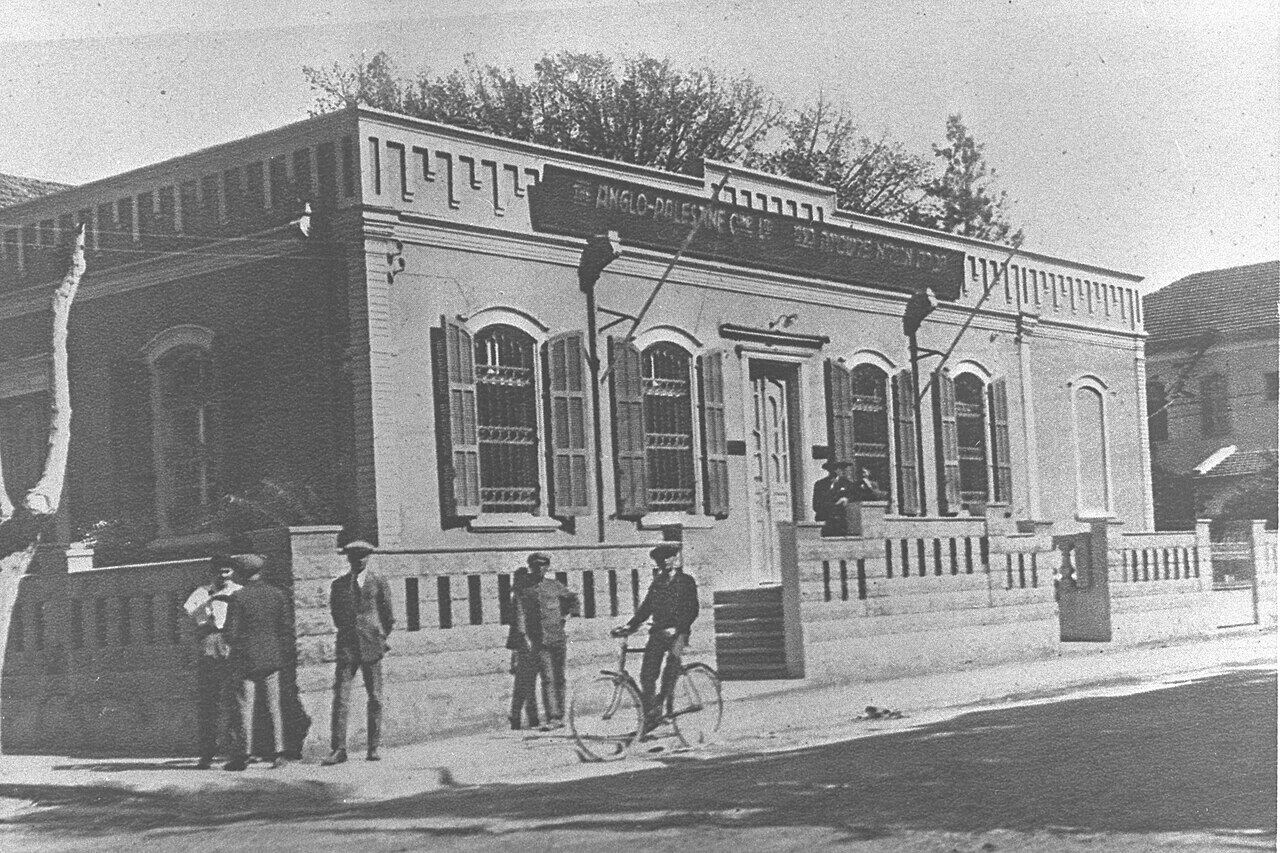
- Envelopes carry addresses and postmarks. A return address of a land company, a lawyer or a relative in Tel Aviv or Haifa gives a name and a date to search.
- Letterheads show company names, which can identify the seller.
Watch for place names. Haaretz described an old deed that used the name of a former Arab village whose site is now part of Ra'anana. Older names in letters may not match today's maps.
Photographs
A photo of a relative standing in an orchard, beside a house or at a building plot does not prove ownership. But writing on the back, a visible landmark or a date can point to a place and a period. Globes reports that researchers tracing pre-state land use aerial photographs alongside archival buyer records and registry entries. Family photos can play a similar supporting role.
A quick comparison
| Document | Can show | Cannot show |
|---|---|---|
| Kushan / title deed | Registered holder and land at a past date | Who holds the land today |
| Registry extract | Registered position, often block and parcel | Changes after the date of issue |
| Purchase contract | Buyer, seller, plot, price | That the sale was completed or registered |
| Receipts / instalment book | Payments, company or society name | That title was transferred |
| Share certificate | Ownership of company shares | Ownership of a specific plot |
| Letters, envelopes, photos | Names, addresses, places, dates | Legal ownership |
How should you preserve the originals?
Old paper is fragile, and these documents may be needed later. The Library of Congress recommends:
- A cool, dry, stable place. Room temperature or below, about 35% relative humidity, away from radiators and vents. Avoid attics, basements and anywhere at risk of leaks.
- Low light. No exposure to direct or intense light.
- Good materials. Acid- and lignin-free folders and boxes, or polyester sleeves stiff enough to support the paper.
- Careful handling. Clean hands and a clean work area. No paper clips, rubber bands, self-adhesive tape or glue, and no folding of corners. If you must write a note, use pencil.
- Flat storage. Store large documents unfolded, flat or rolled, and keep acidic papers apart from others.
For photographs, the U.S. National Archives advises avoiding PVC plastics and referring old tape and repairs to a trained conservator.
How should you photograph or scan them?
Copy everything before anyone handles the papers further.
- Resolution. The Library of Congress suggests about 300 dpi for documents and 400 to 600 dpi for photographs you may want to enlarge.
- Both sides. Copy the back of every page, photo and envelope. Stamps, notes and addresses are often there.
- Phone photos. If you have no scanner, lay the page flat in even daylight, hold the phone parallel to it, and avoid shadows and flash glare.
- File names. Use clear names that start with a date (yyyymmdd) and keep the files in organised folders.
- Backups. Keep at least two copies in different places.
- Keep the originals. The National Archives stresses that digital copies are not a replacement for originals.
Then make a simple list of what you have: document type, names, dates, places and any numbers. That list, with the scans, is what a researcher needs to start.
Next steps
Gather what you find, copy it, and store the originals safely. Then use the names, places and numbers to begin the records search described in our step-by-step guide. If you would like help reading the documents and checking the records, Jewish Lost Assets offers a free initial search. If relevant documents are found, you receive a preliminary summary and a clear quote and then decide.
Not ready to send an inquiry? Start with our free Family Land Research Kit (PDF): what to gather at home, where each kind of record is kept, and the words you will meet in old deeds.
Questions families ask
What is a kushan?
Kushan is the term used in Ottoman and British Mandate Palestine for a land title deed.
We have a kushan. Does that mean the land is ours?
No. A kushan shows that a right was recorded at a point in the past. The land may since have been sold, inherited, expropriated or placed under state management, and only the current registry record, reviewed with a qualified Israeli lawyer, can show the position today.
We only have receipts from a land company. Are they worth anything?
They can be very useful as leads. Receipts and instalment books usually name the buyer, the company and sometimes the plot, which helps locate company files and registry entries, even though they do not prove that the purchase was completed.
Should we send the original documents to anyone?
It is safer to keep originals at home and share good scans or photographs. Digital copies do not replace the originals, so store the papers carefully after copying them.
What resolution should we use when scanning old documents?
The Library of Congress suggests about 300 dpi for documents and 400 to 600 dpi for photographs you may want to enlarge. Make at least two copies of the files and keep them in different places.
Sources
- A Historical Review of the Land Tenure and Registration System in Palestine — Najeh S. Tamim, An-Najah National University — kushan as title deed; Tapu registries from 1859; Mandate registration and extracts; block and parcel; unregistered conveyances
- Land Deeds to American Buyers Are Confirmed by Palestine Government — Jewish Telegraphic Agency, 21 September 1927 — kushans issued by an American land company and registered by the Land Office
- Zion Commonwealth Overcomes Its Financial Difficulties in Palestine — Jewish Telegraphic Agency, 16 June 1929 — buyers still awaiting deeds; lands being divided into parcels
- Govt agency seeking heirs of Holocaust victims' land — Globes, 10 April 2014 — purchase routes including power of attorney and £1,000 deposit; halted payments; research using archival buyer records and aerial photos
- Hashava – the Holocaust Restitution Company of Israel — EHRI Portal — pre-war Jewish investments included bank accounts, stocks, bonds and real estate
- Glossary of Israeli Real Estate Terms — Nefesh B'Nefesh — Tabu, gush, helka; open register
- After a century, mystery owners of coveted Petah Tikva plot identified — The Times of Israel, 29 July 2022 — name spelling errors when Mandate entries were copied into Hebrew
- Israel's Real Estate Detectives Track Down Unclaimed Land — Haaretz, 3 October 2012 — old deeds using former place names
- Care, Handling and Storage of Works on Paper — Library of Congress — storage environment, materials and handling
- Scanning Your Personal Collections — Library of Congress, Personal Digital Archiving series — scanning resolution, file naming, backup copies
- Family Archives: General Guidance — U.S. National Archives — storing photographs; PVC; digital copies do not replace originals
This guide is general historical information, not legal advice. Every family's case depends on the specific records found.