Israeli Archives for Land Records From the 1920s to 1950s
Records of land bought in the 1920s–1950s sit in four kinds of Israeli institution: the Tabu land registry, State Archives, Zionist Archives and city archives.
Key points
- The land registry (Tabu), now an authority of Israel's Ministry of Justice, is the institution of record for registered rights in land, and Mandate-era land registers remained in Israeli government hands after 1948.
- The Israel State Archives holds records from the Ottoman, British Mandate and Israeli periods, but only part of its catalogue is online and much of it is in Hebrew.
- The Central Zionist Archives is the historic archive of the World Zionist Organization, the Jewish Agency and the Jewish National Fund; browsing is free, but visits need an appointment arranged in advance by email.
- Municipal archives such as the Tel Aviv-Yafo Historical Archives can add town-level context, from 1906 in Tel Aviv's case.
- Each institution has its own access rules, which change over time, so check the official page before planning a request or a visit.
Records of land bought in Eretz Israel between the 1920s and the 1950s are spread across four kinds of Israeli institution. The land registry (Tabu) of the Ministry of Justice holds registered rights in land. The Israel State Archives holds government files from the Ottoman, British Mandate and Israeli periods. The Central Zionist Archives holds the papers of the Zionist institutions, including the Jewish National Fund. Municipal archives hold town records. Each answers a different question, and each has its own access rules.
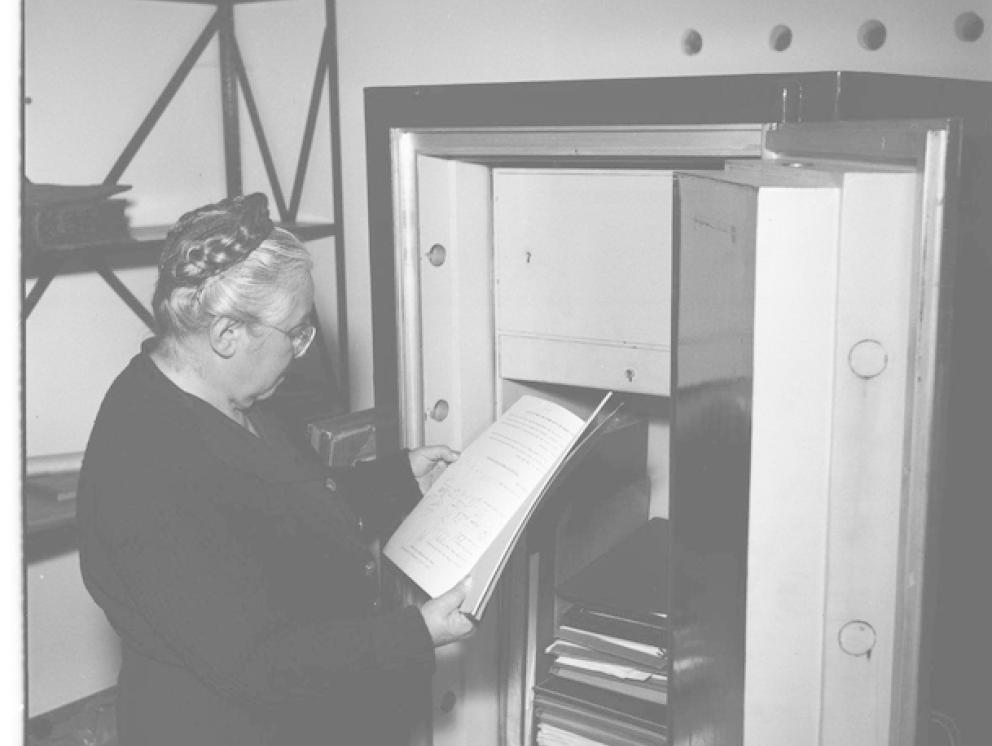
This guide sets out what each institution is useful for and what its official or archival listings say about access. Rules change, so treat the details as a starting point and check the linked pages before you plan a request or visit.
Why are the records in several places?
A purchase in this period could involve several parties: a buyer abroad, a seller, sometimes a purchasing company or society, the Mandate government's land registry and later the State of Israel. Each kept its own papers.
The registry recorded the legal transaction. The government departments around it, the Zionist bodies that bought land and the town councils each filed correspondence, maps and lists. Our guide to how land purchases were registered under the British Mandate explains the registration system itself. This guide is about where its traces, and the related papers, are kept.
Comparison at a glance
| Institution | Best for | Access (per the sources cited) | Practical limits |
|---|---|---|---|
| Land registry (Tabu), Ministry of Justice | The legal record of rights in a specific property | Official gov.il site; national service centre *8653 | Records identified by block and parcel or by deed; Mandate registers in English, with Arabic material |
| Israel State Archives | Government files from the Ottoman, Mandate and Israeli periods | Online catalogue (partial); visits by appointment only | Much material and navigation in Hebrew; closure periods; scan waiting times |
| Central Zionist Archives | Papers of the World Zionist Organization, Jewish Agency, Jewish National Fund and related bodies | Browsing free; visit by prior email appointment | Must book ahead; ask directly about copies |
| Municipal archives (e.g. Tel Aviv-Yafo) | Town history, maps and municipal records | Tel Aviv: open to the public, arrange visits in advance | Varies by city; hours limited |
1. The land registry (Tabu), Ministry of Justice
What it is
The land registry is today called the Land Registration and Settlement of Rights Authority (Tabu). It is part of the Ministry of Justice. It is the institution of record for registered rights in land in Israel.
Why it matters for 1920s–1950s purchases
Under the Mandate, from 1 October 1920, a sale or mortgage of land was not valid unless it was recorded in the Land Registry. According to the Mandate government's 1946 Survey of Palestine, the original of every document stayed in the Registry, and buyers received a certificate of registration. The registers and books used from 1920 were kept in English.
Those registers did not disappear in 1948. A 1958 United Nations report describes land registry records "in the possession of the Israel Government". Its staff consulted them in the offices where they were kept. The same report notes that the Mandate government had microfilmed the Palestine Land Registers shortly before the Mandate ended, and that the records were in English and Arabic.
What you may find
The UN report describes two main kinds of rural record:
- Registers of Title for "settled" land. This land had been surveyed and adjudicated under the Mandate's settlement of title process, and each parcel is identified by block and parcel number, with owners, shares and encumbrances.
- Registers of Deeds for land that had not been settled. There, registration was "a mere record of transactions" not tied to a cadastral survey.
Urban property was generally not settled. In practice, a property in a settled area is far easier to identify than one recorded only in a deed register by names and boundaries.
How to approach it
The Ministry of Justice publishes an official service page for generating a land registry extract (a nesach, or "Tabu extract"), linked in the sources below. The national service centre listed by Kol Zchut is *8653. Before requesting anything, collect what the family has, such as a block and parcel number, a deed copy or a registration certificate. Our guide to documents at home that may prove a land purchase explains what to look for.
2. The Israel State Archives
What it holds
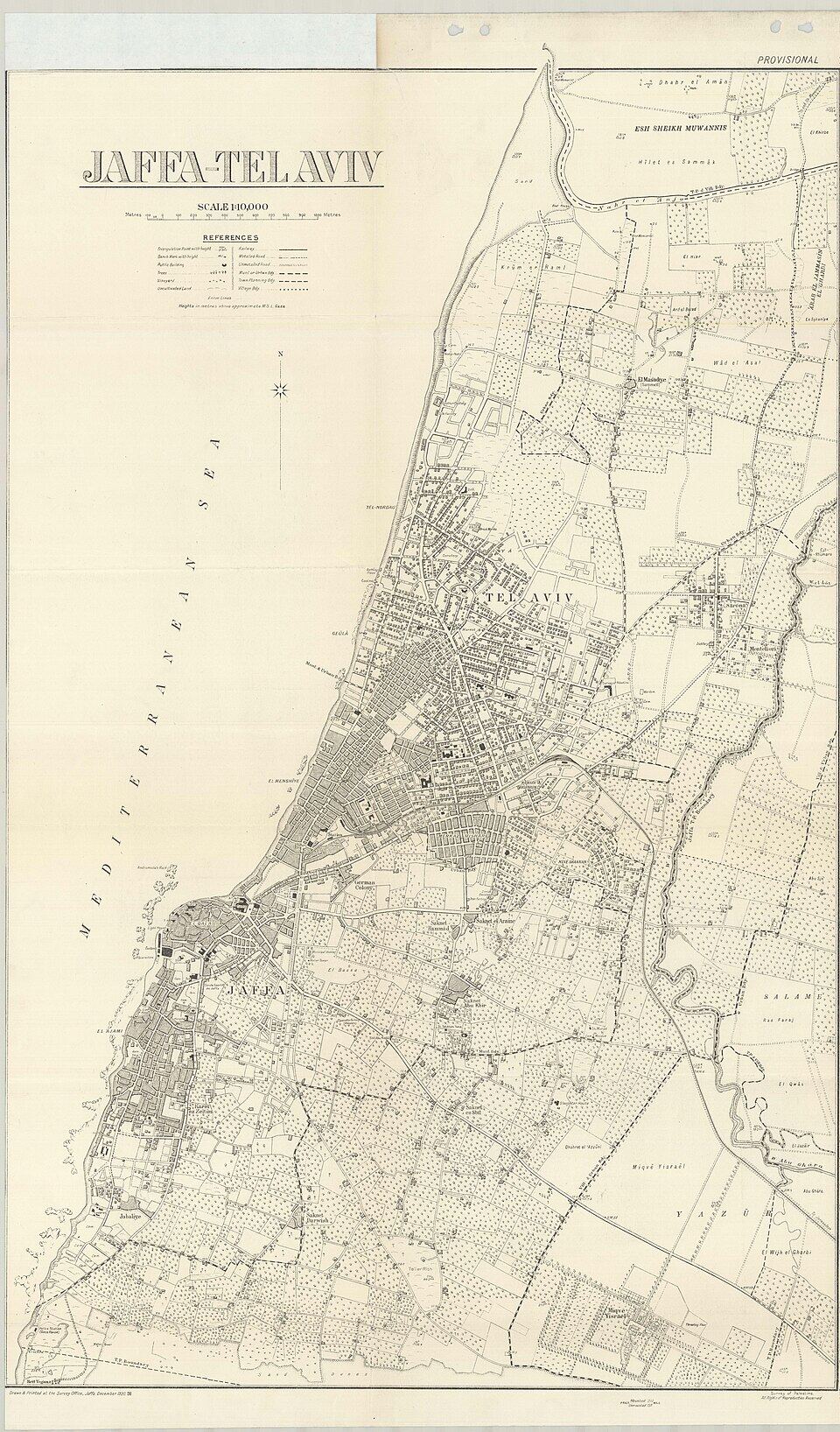
The Israel State Archives describes its role as safeguarding the records of the governmental administrations that preceded the state, as well as the state's own. Its database includes records from the Ottoman period, the British Mandate period and the State of Israel. For land research, this is the place for government files about land: correspondence, policy and administration, as opposed to the registry entries themselves.
How the public can access it
According to the archive's listing on the EHRI portal (European Holocaust Research Infrastructure):
- Access is governed by the Archives Law of 1955, not the Freedom of Information law, and records are available for research purposes.
- The usual closure period is 30 years. Personal records are sealed for 70 years.
- Only part of the database is available online. Public records not online can be consulted in the reading room in the Archives building.
- Visits are by appointment only. The address given is 14 Hartom Street, Jerusalem.
Practical limits
- Language. The EHRI listing notes that the navigation aids and much of the online material are in Hebrew.
- Digitisation delays. A 2020 Wilson Center survey reported that the archive had moved to digital access, with files scanned on request. It also reported that there was no way to know how long a scan would take, and that the ministry which created a file had to approve requests. The same survey described the reading rooms as closed, which differs from the EHRI listing. This is one reason to check current arrangements directly.
- Closures. For files from the 1950s that contain personal information, a 70-year closure may still apply or may only recently have expired.
3. The Central Zionist Archives
What it holds
The Central Zionist Archives (CZA) in Jerusalem is the historic archive of the World Zionist Organization. It also holds the archives of the Jewish Agency, the Jewish National Fund (Keren Kayemeth LeIsrael, KKL-JNF), the United Israel Appeal and the World Jewish Congress.
This matters because some purchases in this period went through Zionist bodies. The Jewish National Fund bought land that, under its statutes, it could not sell. The Survey of Palestine explains that its subsidiary, Hemnuta, could hold land intended for later transfer. The Palestine Land Development Company was another of these bodies. Founded in 1908, it is described as the land-purchasing company of the World Zionist Organization. If a family's purchase was arranged through such a body, its correspondence, maps and lists are the kind of material the CZA can be asked about.
How the public can access it
According to the CZA's listing on the EHRI portal:
- Browsing the collections is open to the public and free of charge.
- A visit must be arranged in advance by email, and the archive cannot be accessed without an appointment.
- Opening hours are Sunday to Thursday, 8:00 to 15:00.
- The address given is 2 Yosef Herlits Street, Jerusalem.
Practical limits
Bring precise details: the buyer's name in every spelling the family knows, the town of origin, the place in Eretz Israel and an approximate date. Without them, finding one buyer among organisational files is very difficult. The EHRI listing does not mention copying fees, so ask the archive directly about copies.
4. Municipal archives
What they hold
City archives keep the records of local government. They are useful for placing a purchase in its local context: how a neighbourhood or moshava developed, maps of the period, and municipal correspondence. They do not replace the land registry.
Example: Tel Aviv-Yafo Historical Archives
The municipality's own page says that:
- Its Historical Archives hold documents from the founding of the Ahuzat Bayit association in 1906 until about 1990.
- The wider City Archives include map collections from the 1920s, historical photographs and municipal publications.
- The archive is open to the public. Visitors are asked to arrange their visit in advance with staff.
- The study room is at City Hall, 69 Ibn Gvirol Street, 10th floor, room 1030. It is open Monday to Thursday, 10:00 to 15:30.
The page does not mention building files or land records specifically, so ask before visiting whether the archive holds anything for the street or plot you are researching. Other towns keep their own archives under their own rules, so check each municipality separately.
Practical tips for families abroad
- Start with what you have. Any family document with a block and parcel number, a deed number or a registration date narrows the search a great deal.
- List every spelling. Mandate registers were kept in English, and other records are in Arabic or Hebrew, so names can be spelled very differently.
- Expect Hebrew. Much of the Israel State Archives' online material is in Hebrew, and many records of the period are in Hebrew or Arabic. Plan for translation or local help.
- Check access rules on the day. Appointment rules, closure periods and online availability all change.
- Separate history from law. An archive file can show that a purchase happened. Whether any right exists today is a legal question for a qualified Israeli lawyer. Our guide to inheritance of land in Israel for heirs abroad gives general background.
If you are not yet sure a purchase took place, begin with how to find out if your great-grandfather bought land in Israel. If you have a name, a place and a rough date, you can tell us what you know. We will check whether a search of these records is likely to be worthwhile.
Not ready to send an inquiry? Start with our free Family Land Research Kit (PDF): what to gather at home, where each kind of record is kept, and the words you will meet in old deeds.
Questions families ask
Which Israeli archive should I contact first about land my great-grandfather bought?
Registered rights in land are recorded by the land registry (Tabu) of the Ministry of Justice, so that is usually the core record. The archives described here help explain how the purchase happened and who was involved.
Are the Israel State Archives open to people abroad?
The Israel State Archives says access to its records for research is governed by the Archives Law of 1955, with set closure periods. Part of its catalogue is online, much of it in Hebrew, and visits to the building are by appointment only.
Does the Central Zionist Archives charge to use its collections?
According to its listing in the EHRI archival portal, browsing the collections is free and open to the public. A visit must be arranged in advance by email, and opening hours are Sunday to Thursday, 8:00 to 15:00.
Are the old land records in English or Hebrew?
Mandate land registers were kept in English, and records of that period also exist in Arabic. The Israel State Archives notes that much of its online material and navigation is in Hebrew, which is a practical hurdle for many families abroad.
Can an archive tell me whether my family still owns the land?
No archive can answer that alone. Historical files show what happened at the time, while the current legal position depends on the land registry record and Israeli law, which should be reviewed with a qualified Israeli lawyer.
Sources
- National service centre: Land Registration and Settlement of Rights Authority (Tabu) — Kol Zchut — authority name, Ministry of Justice, national service number *8653, official gov.il site
- Generation of a Land Registry Extract (Tabu Extract) from the Land Registers — Ministry of Justice, gov.il — official service page for ordering an extract (linked for reference)
- Sixteenth Progress Report of the United Nations Conciliation Commission for Palestine, A/3835 (18 June 1958) — United Nations — Mandate land registers held by the Israeli government, microfilms, languages, settled and non-settled land
- A Survey of Palestine, Volume I (1946), Chapter VIII: Land — Government of Palestine, hosted by the Berman Jewish Policy Archive — registration procedure, original documents kept in the registry, English-language registers, JNF and Hemnuta
- Israel State Archives — EHRI Portal (European Holocaust Research Infrastructure) — holdings by period, Archives Law 1955, closure periods, online catalogue, appointments, language
- Kian Byrne, 'A Survey of Middle East Archives: Israel' (27 April 2020) — Wilson Center — ISA digitisation, scan requests and approval by the creating ministry
- The Central Zionist Archives — EHRI Portal (European Holocaust Research Infrastructure) — holdings (WZO, Jewish Agency, JNF, United Israel Appeal), free browsing, appointment by email, hours, address
- Elizabeth Thompson, 'Palestine Land Development Company', Encyclopedia of the Modern Middle East and North Africa — Encyclopedia.com — PLDC founded 1908 as a land-purchasing company of the World Zionist Organization
- About the Archives — Tel Aviv-Yafo Municipality — holdings from 1906, public access, study room location and hours
This guide is general historical information, not legal advice. Every family's case depends on the specific records found.